

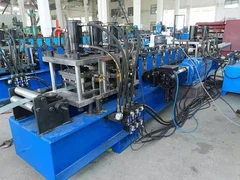

In the dynamic landscape of manufacturing, the question of whether a door frame rolling machine can be upgraded in the future is not just a technical inquiry but a strategic consideration for businesses like ours, a door frame rolling machine supplier. As we navigate through the advancements in technology and the ever - changing demands of the market, the potential for upgrading these machines is both exciting and full of possibilities.
Current State of Door Frame Rolling Machines
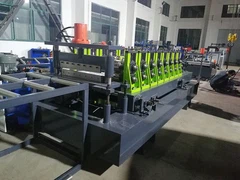
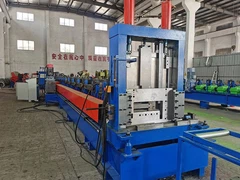
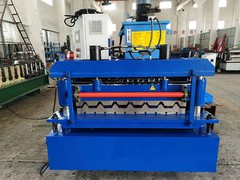
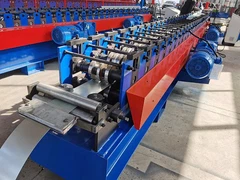
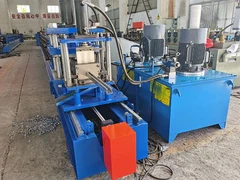
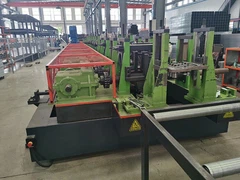
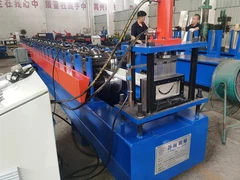
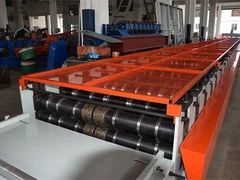
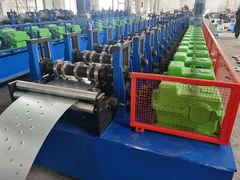
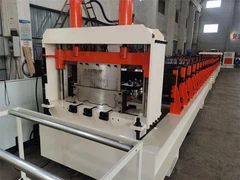
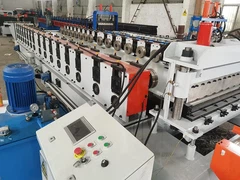
Door frame rolling machines are essential equipment in the construction and manufacturing industries. They are used to produce door frames with high precision and efficiency. The current generation of these machines is equipped with basic features such as adjustable rollers, speed control, and simple automation. For instance, our Door Frame Machine offers reliable performance in shaping various types of door frames. It can handle different materials, including steel, aluminum, and PVC, and is designed to meet the standard requirements of the market.
However, these machines also have their limitations. The level of automation is relatively low, which means that there is a significant amount of manual intervention required during the production process. This not only increases the labor cost but also reduces the overall productivity. Moreover, the precision of the machines may be affected by factors such as wear and tear of the rollers, which can lead to inconsistent product quality.
Technological Advancements and Their Impact on Upgrades
The rapid development of technology in recent years has opened up new avenues for upgrading door frame rolling machines. One of the most significant advancements is the integration of artificial intelligence (AI) and machine learning (ML) technologies. These technologies can be used to optimize the production process, improve the precision of the machines, and reduce the error rate.
For example, AI - powered sensors can be installed on the machine to monitor the production process in real - time. These sensors can detect any abnormalities in the material flow, roller pressure, or speed, and automatically adjust the machine settings to ensure consistent product quality. Machine learning algorithms can analyze the data collected from the sensors to predict potential problems and suggest preventive measures. This proactive approach can significantly reduce downtime and maintenance costs.


Another area of technological advancement is the development of more advanced control systems. Modern control systems, such as programmable logic controllers (PLCs), offer greater flexibility and functionality compared to traditional control systems. They can be easily programmed to perform complex tasks, such as changing the roller profiles for different door frame designs, adjusting the production speed according to the material type, and coordinating the operation of multiple machines in a production line.
The Internet of Things (IoT) is also playing an important role in the potential upgrades of door frame rolling machines. By connecting the machines to the internet, manufacturers can remotely monitor and control the production process. This allows for real - time troubleshooting, remote software updates, and data analytics. For instance, a manufacturer can use IoT technology to monitor the energy consumption of the machine, identify areas for improvement, and optimize the production schedule to reduce energy costs.
Future Upgrade Possibilities
Looking ahead, there are several potential upgrades that can be made to door frame rolling machines.
Enhanced Automation
The future of door frame rolling machines lies in increased automation. This can include the addition of robotic arms to handle the loading and unloading of materials, as well as the finishing processes such as cutting, welding, and painting. Robotic arms can work with high precision and speed, reducing the need for manual labor and improving the overall productivity.
For example, a fully automated door frame rolling machine can be equipped with a robotic arm that picks up the raw materials from a storage area, feeds them into the machine, and then moves the finished door frames to a packaging area. This not only streamlines the production process but also reduces the risk of human error.
Improved Material Handling
Upgrades in material handling systems can also enhance the performance of door frame rolling machines. For instance, the use of conveyor belts with intelligent sorting systems can ensure that the right materials are fed into the machine at the right time. This can reduce the waiting time between production cycles and improve the overall efficiency.
Moreover, the development of new materials and the increasing demand for customized door frames require more advanced material handling capabilities. A door frame rolling machine that can handle a wider range of materials, such as composite materials and high - strength alloys, will be more competitive in the market.
Customization and Flexibility
In the future, customers will demand more customized door frame designs. Door frame rolling machines need to be upgraded to offer greater flexibility in terms of design and production. This can be achieved through the use of modular components and software - based design tools.
For example, a machine with modular rollers can be easily reconfigured to produce different door frame profiles. Software - based design tools can allow customers to input their specific design requirements, and the machine can automatically adjust the production parameters to meet these requirements. Our Welded Pipe Door Frame Roll Forming Machine already has some level of flexibility, but future upgrades can further enhance this feature.
Challenges and Considerations
While the potential for upgrading door frame rolling machines is significant, there are also several challenges and considerations that need to be addressed.
Cost
Upgrading a door frame rolling machine can be expensive. The cost of implementing new technologies such as AI, IoT, and robotic arms can be substantial. In addition, there may be costs associated with training the staff to operate and maintain the upgraded machines. However, in the long run, the benefits of increased productivity, improved product quality, and reduced downtime may outweigh the initial investment.
Compatibility
When upgrading a machine, it is important to ensure that the new components are compatible with the existing system. This requires careful planning and testing to avoid any technical issues. For example, if a new control system is installed, it needs to be able to communicate effectively with the other components of the machine, such as the sensors and motors.
Regulatory Requirements
The manufacturing industry is subject to various regulatory requirements, such as safety standards and environmental regulations. Any upgrades to the door frame rolling machine need to comply with these requirements. For example, if a new robotic arm is added to the machine, it needs to be designed and installed in a way that ensures the safety of the operators.
Conclusion
In conclusion, the future of door frame rolling machines is bright, with significant potential for upgrades. Technological advancements in AI, ML, IoT, and automation offer new opportunities to improve the performance, efficiency, and flexibility of these machines. While there are challenges such as cost, compatibility, and regulatory requirements, the benefits of upgrading are substantial.
As a door frame rolling machine supplier, we are committed to staying at the forefront of technological innovation. We are constantly exploring new ways to upgrade our machines to meet the evolving needs of our customers. If you are interested in learning more about our door frame rolling machines or discussing potential upgrades, we invite you to contact us for a detailed procurement discussion.
References
- "Manufacturing Technology Trends" - Industry Research Report
- "Automation in the Metalworking Industry" - Academic Journal Article
- "The Impact of IoT on Manufacturing Equipment" - Technical White Paper