
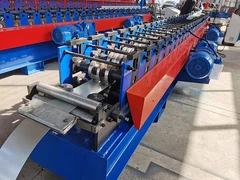
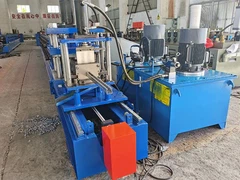
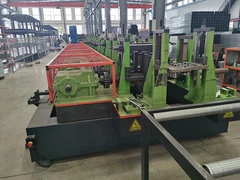
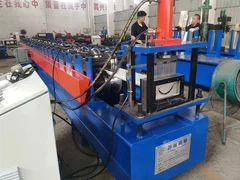
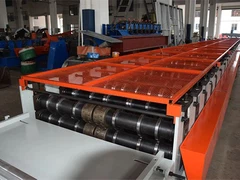
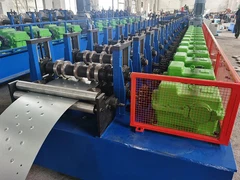
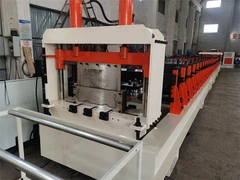

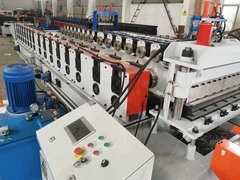
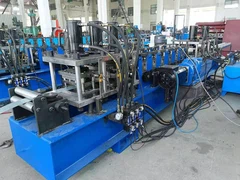

In the field of roofing building materials equipment manufacturing and application, the double-layer tile machine, as the core production equipment for achieving double-layer fabric composite molding, must adhere to strict execution standards in its design, manufacturing, inspection, and use. These standards not only clarify the basic technical requirements and safety specifications of the equipment but also provide institutional guarantees for product quality stability, interchangeability, and collaborative development across the industry chain. A thorough understanding and implementation of relevant standards is a necessary prerequisite for manufacturers to enhance their competitiveness and for users to achieve efficient and safe production.
The execution standards for double-layer tile machines cover national, industry, and some group standards, forming a multi-level and multi-dimensional regulatory system. At the national level, mandatory standards concerning the safety of general machinery stipulate the basic safety requirements for equipment, including emergency stop devices, protective cover installation, electrical grounding, and noise limits, ensuring the personal safety of personnel during operation and maintenance. Simultaneously, specific standards for metal sheet forming machinery clearly define the precision, rigidity, transmission system reliability, and performance indicators of hydraulic and pneumatic systems for the roller pressing mechanism, providing a technical basis for the equipment's forming quality and long-term stable operation.
Industry standards are more closely aligned with the technological characteristics and application scenarios of double-layer tile making machines. For example, relevant standards in the building materials machinery field specify the synchronous feeding accuracy, interlayer bonding strength testing methods, forming dimensional tolerance ranges, and continuous operation reliability assessment procedures for the specific needs of composite tile production. These provisions are often based on extensive engineering practice and statistical data, effectively guiding equipment manufacturers to optimize structural design, material selection, and assembly processes. They also provide quantifiable references for user acceptance and daily monitoring.

Regarding performance testing and inspection, implementation standards typically require type testing and factory inspection of the equipment. Type testing verifies the equipment's stability and accuracy under simulated actual working conditions, including maximum load, continuous operation, and extreme environments, encompassing roller pressure fluctuation range, speed synchronization error, temperature rise limits, and energy consumption indicators. Factory inspection focuses on verifying key safety functions and basic operating parameters, ensuring that each piece of equipment meets minimum performance thresholds before delivery. Inspection methods, sampling rules, and judgment criteria are clearly defined in the standards, minimizing deviations caused by human factors.
It is worth noting that with the development of green manufacturing and intelligent technologies, relevant standards are constantly being updated, adding requirements for energy conservation, noise control, remote monitoring, and data acquisition. This prompts double-layer tile machines to incorporate energy efficiency optimization and intelligent diagnostic functions during the design phase to adapt to industrial upgrading and environmental regulations. When purchasing and using double-layer tile machines, users should pay attention to the current validity of the standards, prioritize products that comply with the latest versions, and establish a sound standardized management process to translate standard requirements into internal operating procedures and inspection records.
Overall, the execution standards for double-layer tile machines serve as rigid constraints and technical guidelines throughout the entire process of research and development, manufacturing, application, and maintenance. Strict adherence to and flexible application of these standards not only improves the reliability and safety of the equipment itself but also helps promote the standardization and high-quality development of the roofing materials equipment industry, providing high-quality and stable material guarantees for construction projects.