



Alright, folks! As a supplier of door frame rolling machines, I'm stoked to take you on a journey through how these nifty pieces of equipment operate. Whether you're in the construction business or just curious about manufacturing processes, this blog post will give you the lowdown.
The Basics of a Door Frame Rolling Machine
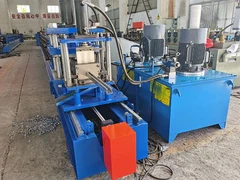
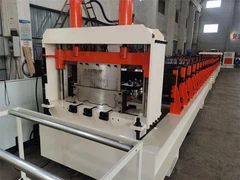
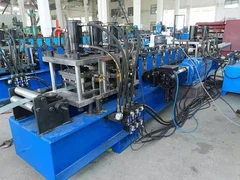
Let's start with the fundamentals. A door frame rolling machine is a specialized piece of machinery designed to shape metal sheets into the frames that hold our doors. It's like a magic box that transforms flat metal into sturdy, well - formed door frames.
These machines are super important in the construction industry. They can produce high - quality door frames quickly and efficiently, which is a big plus when you're working on a large - scale project. And the best part? They can handle different types of metals, like steel and aluminum, so you've got options depending on your needs.
The Operating Process
Step 1: Feeding the Metal Sheet
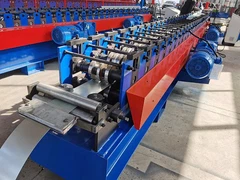
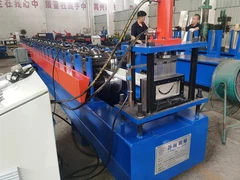
The first step in operating a door frame rolling machine is feeding the metal sheet into the machine. This is usually done manually or with the help of a feeding device. The metal sheet needs to be placed straight and centered at the entrance of the machine. If it's not aligned properly, you'll end up with a wonky door frame. So, it takes a bit of care and precision to get it right. Once the sheet is in place, the machine will start to pull it in using a series of rollers.
Step 2: Pre - processing
Before the actual rolling process begins, the metal sheet might go through some pre - processing steps. This could include cleaning, lubricating, or cutting the sheet to the right size. Cleaning helps to remove any dirt or debris that might affect the rolling process, while lubrication reduces friction between the metal and the rollers. Cutting the sheet to the appropriate size ensures that you end up with a door frame of the correct dimensions.
Step 3: Rolling
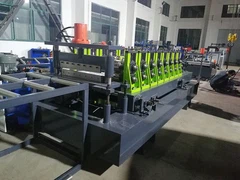
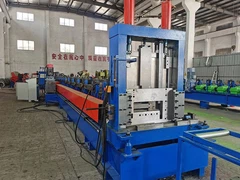
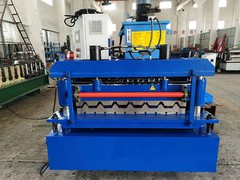
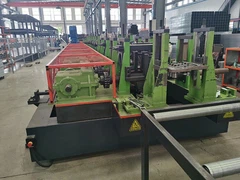
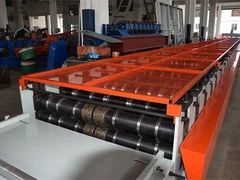
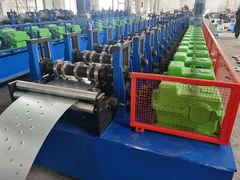
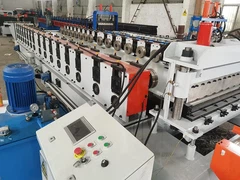
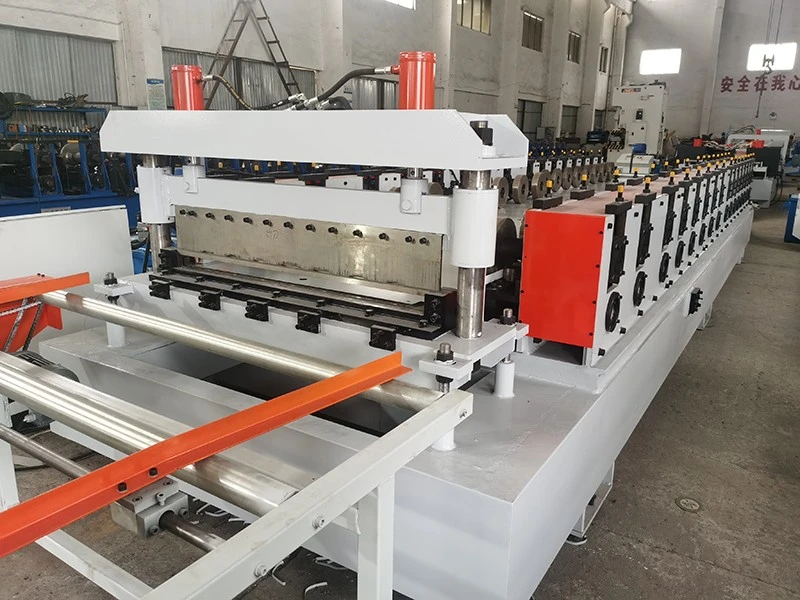
Now, this is the main event! The rolling process is where the magic happens. As the metal sheet moves through the machine, it passes through a series of rollers. These rollers are carefully designed and arranged to gradually shape the metal into the desired door frame profile. Each set of rollers makes a small change to the shape of the metal, and by the time the sheet reaches the end of the machine, it has been transformed into a door frame.
The rollers in a door frame rolling machine are adjustable. This means that you can change the settings to create different door frame sizes and shapes. Whether you need a standard rectangular frame or a more custom - shaped one, the machine can be tweaked to meet your requirements.
Step 4: Cutting and Welding (if necessary)
Once the metal has been rolled into a door frame shape, it might need to be cut to the right length. Some door frame rolling machines have an integrated cutting system that can do this automatically. After cutting, if the door frame requires welding (for example, in the case of a Welded Pipe Door Frame Roll Forming Machine), the welding process will take place. Welding joins the different parts of the frame together to make it a solid and durable unit.
Step 5: Quality Inspection
Before the door frame is sent off to be used in a building, it undergoes a quality inspection. This involves checking the dimensions, the shape, and the overall quality of the frame. Any defects, like uneven edges or misaligned parts, are identified and fixed. Only frames that meet the required quality standards are approved for use.
Why Choose Our Door Frame Rolling Machines?
As a supplier, we take pride in offering top - notch door frame rolling machines. Our machines are built with the latest technology, which means they're efficient, reliable, and easy to operate. We understand that time is money in the construction industry, so our machines are designed to produce door frames quickly without sacrificing quality.
We also offer a wide range of door frame rolling machines, including the Door Frame Machine. Whether you're a small - scale contractor or a large construction company, we've got a machine that will suit your needs. And if you have any special requirements, our team of experts can work with you to customize a machine just for you.
Maintenance and Support
Operating a door frame rolling machine is just one part of the equation. Proper maintenance is also crucial to keep the machine running smoothly. We provide comprehensive maintenance guides and support to our customers. Our team is always on standby to answer any questions you might have about operating, maintaining, or troubleshooting your machine. Regular maintenance not only extends the lifespan of the machine but also ensures that you continue to produce high - quality door frames.
Costs and Return on Investment
Investing in a door frame rolling machine is a big decision, and cost is always a factor. But when you consider the long - term benefits, it's often a wise investment. By producing your own door frames in - house, you can save on the cost of buying pre - made frames. Plus, you have more control over the quality and the production schedule.
Our machines are priced competitively, and we offer different payment options to make it easier for you to invest in the right equipment. And with the high - speed production and low maintenance requirements of our machines, you'll start seeing a return on your investment in no time.
Getting in Touch
If you're interested in learning more about our door frame rolling machines or if you have any questions about how they operate, don't hesitate to reach out. Whether you're just starting out in the construction business or looking to upgrade your existing equipment, we're here to help you make the right choice.

So, what are you waiting for? Contact us today to start the conversation about how our door frame rolling machines can take your business to the next level.
References
- Industry standards for door frame manufacturing
- Technical manuals for door frame rolling machines