

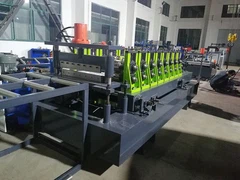
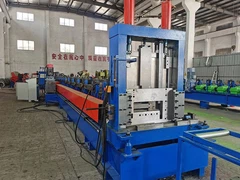
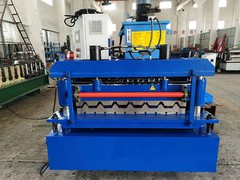
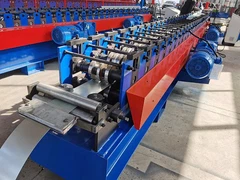
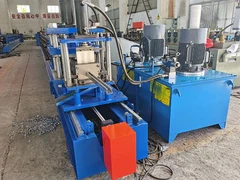
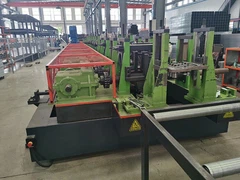
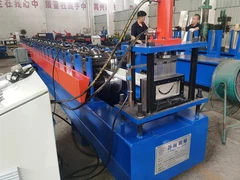
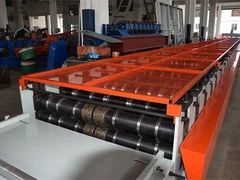
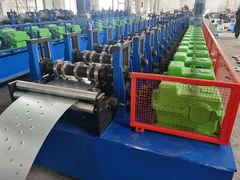
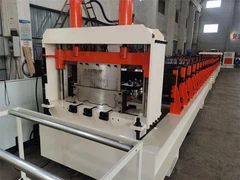

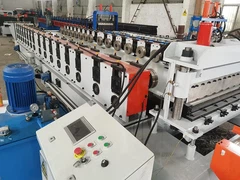
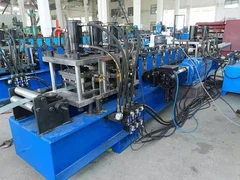

Hey there! As a supplier of rack shelf rolling machines, I often get asked about the best way to store these bad boys when they're not in use. It's a crucial question because proper storage can significantly extend the lifespan of your machine and keep it in tip - top shape for when you need it again. So, let's dive right into the nitty - gritty of storing a rack shelf rolling machine.
1. Cleaning Before Storage
First things first, you gotta give your machine a thorough cleaning. When the rack shelf rolling machine has been in operation, it accumulates dirt, debris, and metal shavings. These can cause corrosion and damage the moving parts over time.
Start by powering off the machine and unplugging it from the electrical source. Then, use a soft brush to remove loose debris from the surface of the machine. Pay special attention to the rollers, as any build - up on them can affect the quality of the formed racks. For stubborn dirt, you can use a mild detergent and a damp cloth. Make sure to dry the machine completely to prevent rust.


2. Lubrication
Lubrication is key to keeping your rack shelf rolling machine in good condition during storage. All the moving parts, like the gears, bearings, and rollers, need to be lubricated. Use a high - quality lubricant recommended by the manufacturer. Apply the lubricant evenly to the parts, and make sure to wipe off any excess. This helps prevent the parts from seizing up and reduces the risk of corrosion.
3. Disassembly (if applicable)
Some rack shelf rolling machines can be partially disassembled for easier storage. If your machine falls into this category, carefully follow the manufacturer's instructions for disassembly. Remove any detachable parts, such as rollers or cutting tools, and store them separately in a labeled container. This not only makes the machine more compact but also reduces the risk of damage to these parts during storage.
4. Choosing the Right Storage Location
The storage location plays a huge role in how well your machine fares during its downtime. You want a place that's dry, clean, and well - ventilated. Avoid areas prone to flooding or high humidity, as moisture is a big enemy of metal machinery.
A climate - controlled storage facility is ideal. If you don't have access to one, you can use a shed or a garage, but make sure to take extra precautions. For example, you can use a dehumidifier to reduce moisture in the air. Also, keep the machine away from direct sunlight, as prolonged exposure can cause the paint to fade and damage the electrical components.
5. Protecting the Machine
Once you've found the perfect storage spot, it's time to protect the machine. You can use a heavy - duty plastic tarp or a custom - made machine cover. The cover should fit snugly over the machine to keep out dust, dirt, and moisture.
If possible, elevate the machine off the ground. You can use wooden pallets or blocks to create a small platform. This helps prevent the machine from coming into contact with any moisture that might seep through the floor.
6. Regular Inspections
Even when the machine is in storage, it's important to conduct regular inspections. Check the machine every few months to make sure there are no signs of damage, corrosion, or pest infestation. Look for any loose parts, and if you find any, make sure to tighten them.
Also, check the lubrication levels. If the lubricant has dried up or become contaminated, re - apply it. By catching any issues early on, you can avoid costly repairs when it's time to get the machine back in action.
Related Machines
If you're in the market for different types of rolling machines related to rack shelving and more, we've got some great options. Check out our Storage Rack Shelf Roll Forming Machine, which is perfect for creating high - quality storage rack shelves. There's also the Roller Shutter Octagonal Tube Machine that can produce octagonal tubes used in roller shutters. Our Warehouse Shelf Beam Roll Forming Machine is a great choice for making sturdy warehouse shelf beams. The Upright Post Roll Forming Machine is essential for creating upright posts for racks, and the Downpipe Roll Forming Machine is perfect for producing downpipes.
Conclusion and Call to Action
Storing a rack shelf rolling machine properly is not rocket science, but it does require some attention to detail. By following these steps, you can ensure that your machine stays in great condition and is ready to go whenever you need it.
If you're thinking about purchasing a new rack shelf rolling machine or have any questions about the ones we offer, don't hesitate to reach out. We're here to help you make the best choice for your business. Whether you're a small workshop or a large - scale manufacturing facility, we've got the right machine for you.
References
- Manufacturer's manuals for rack shelf rolling machines
- Industry best practices for machinery storage