


Hey there! As a supplier of roller shutter forming machines, I'm super excited to dive into the working principle of these amazing pieces of equipment. Roller shutter forming machines are crucial in the manufacturing industry, especially when it comes to producing high - quality roller shutters for various applications.
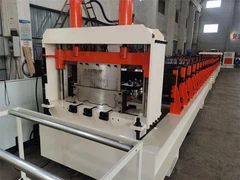
Let's start with the basic components of a roller shutter forming machine. At the heart of it, there are several key parts that work in harmony to transform raw materials into finished roller shutter products. The main components typically include an uncoiler, a feeding device, a roll - forming unit, a cutting device, and a control system.
The uncoiler is where the whole process begins. It holds a large coil of metal, usually steel or aluminum. This metal coil is the raw material that will eventually become the roller shutter. The uncoiler is designed to unwind the coil smoothly and steadily, feeding the metal strip into the next stage of the process. It's important that the uncoiling is done at a consistent speed to ensure the quality of the final product. If the metal strip is fed too fast or too slow, it can lead to uneven shaping or other defects in the roller shutter.
Once the metal strip is uncoiled, it enters the feeding device. The feeding device's job is to guide the metal strip precisely into the roll - forming unit. It can adjust the speed and position of the metal strip, making sure it's properly aligned. This is crucial because any misalignment at this stage can cause problems during the roll - forming process. The feeding device often uses rollers or belts to move the metal strip forward, and it can be controlled manually or automatically depending on the design of the machine.
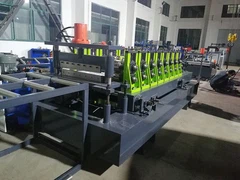
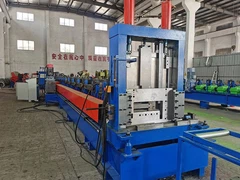
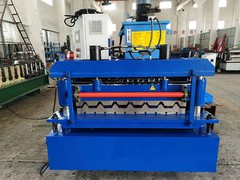
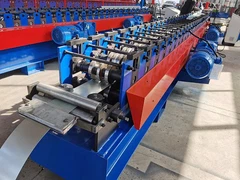
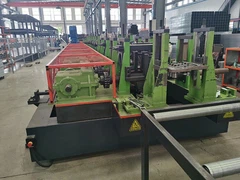
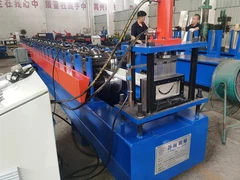
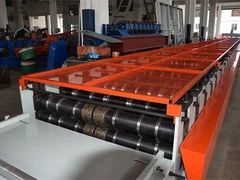
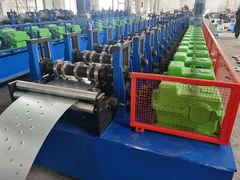
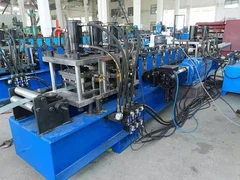
Now, let's talk about the roll - forming unit. This is the core part of the roller shutter forming machine. The roll - forming unit consists of multiple sets of rollers, each set having a specific shape. As the metal strip passes through these rollers, it gradually takes on the shape of the roller shutter. The rollers are carefully designed and arranged in a sequence so that the metal strip is bent and shaped step by step. For example, if you're making a roller shutter with a specific profile, the rollers will be shaped to create that exact profile. The number of roller sets can vary depending on the complexity of the roller shutter design. More complex designs may require more roller sets to achieve the desired shape.
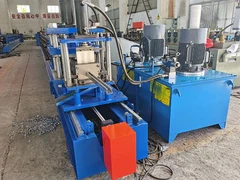
During the roll - forming process, it's important to maintain the right amount of pressure on the metal strip. If the pressure is too high, it can cause the metal to crack or deform in an unwanted way. On the other hand, if the pressure is too low, the metal may not be shaped properly. Modern roller shutter forming machines often use hydraulic or pneumatic systems to control the pressure on the rollers, ensuring a consistent and high - quality shaping process.


After the metal strip has passed through the roll - forming unit, it reaches the cutting device. The cutting device is responsible for cutting the continuous strip of formed roller shutter into the desired lengths. This can be done using a variety of cutting methods, such as shearing or sawing. The cutting process needs to be accurate to ensure that each piece of the roller shutter is the correct length. Some machines use sensors or programmable logic controllers (PLCs) to measure the length of the formed strip and trigger the cutting device at the right moment.
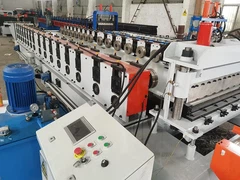
The control system is like the brain of the roller shutter forming machine. It manages all the operations of the machine, from the speed of the uncoiler and feeding device to the pressure on the rollers and the timing of the cutting device. The control system can be programmed to produce different types of roller shutters with various profiles and lengths. It allows operators to easily adjust the settings of the machine according to the specific requirements of each production order. With the development of technology, many modern control systems are equipped with touch - screen interfaces, making it even more user - friendly for operators.
Now that we've covered the basic working principle, let's talk about the different types of roller shutter forming machines available. One popular type is the Roller Shutter Door Machine. This machine is specifically designed to produce roller shutter doors, which are widely used in commercial and industrial buildings. These machines can create different styles of roller shutter doors, such as single - layer or double - layer doors, depending on the customer's needs.
Another type is the Octagonal Tube Machine. This machine is used to produce octagonal tubes, which are often used as parts of roller shutters or in other structural applications. The octagonal tube machine uses a similar roll - forming process but with a different set of rollers to create the octagonal shape.
In conclusion, the working principle of a roller shutter forming machine is a complex but fascinating process that involves multiple steps and components working together to transform raw metal into high - quality roller shutters. Whether you're in the market for a Roller Shutter Door Machine or an Octagonal Tube Machine, understanding how these machines work can help you make a more informed decision when it comes to purchasing.
If you're interested in any of our roller shutter forming machines, don't hesitate to reach out to us for more information and to discuss your specific requirements. We're here to help you find the perfect machine for your business.
References:
- Industry knowledge and experience in roller shutter forming machine manufacturing.
- Technical manuals of roller shutter forming machines.