

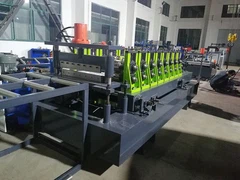
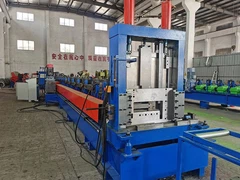
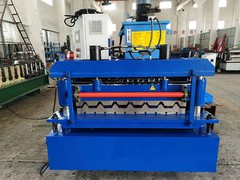
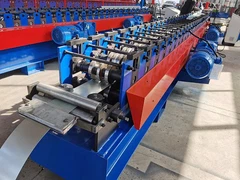
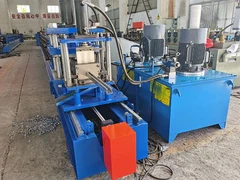
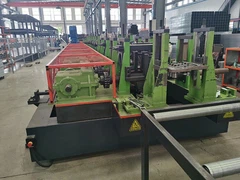
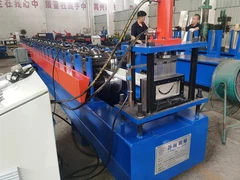
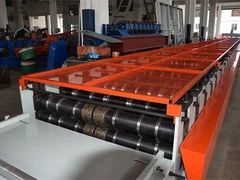


Hey there! As a supplier of cable tray rolling machines, I'm super stoked to break down the main components of these nifty machines. These machines are crucial in the manufacturing world, helping to churn out all sorts of cable trays efficiently. So, let's dig in and see what makes these power - horses tick.
Uncoiler
First up, we've got the uncoiler. It's like the starting point of the whole process. Imagine a big roll of metal sheet, kinda like a huge toilet paper roll but way heavier and made of metal. The uncoiler holds this roll and feeds the metal sheet into the next part of the machine. It needs to be able to handle different widths and thicknesses of the metal sheets. That's because cable trays come in all shapes and sizes, and we need the flexibility to work with various materials. It has to unwind the metal smoothly without causing any kinks or wrinkles, or else it'll mess up the whole production later on.
Feeding Device
Right after the uncoiler, we have the feeding device. This little guy takes the metal sheet from the uncoiler and guides it into the rolling mill section. It's like a traffic cop, making sure the metal sheet moves at a steady speed and in the right direction. If the feeding is too fast, the rolling process might not be accurate. If it's too slow, well, it'll slow down the whole production line. Some feeding devices are equipped with sensors to detect the position and speed of the metal sheet, which helps in maintaining a precise feed.


Rolling Mill
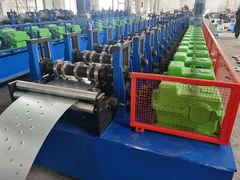
The rolling mill is the heart of the cable tray rolling machine. This is where the magic happens. It consists of multiple sets of rollers arranged in a specific pattern. As the metal sheet passes through these rollers, it gets gradually shaped into the desired profile of the cable tray. Each set of rollers is designed to make a small change in the shape of the metal. For example, one set might start to bend the edges, and the next set will further refine that bend. The rollers need to be made of high - quality materials because they have to withstand a lot of pressure. And the accuracy of their alignment is crucial. Even a tiny misalignment can lead to a defective cable tray.
If you're interested in a specific type of cable tray machine, like the Ladder Cable Tray Machine, the rolling mill will be customized to create that unique ladder - like structure.
Cutting Device
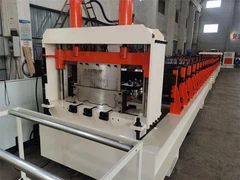
Once the metal sheet has been rolled into the correct cable tray profile, it needs to be cut into the right lengths. That's where the cutting device comes in. There are different types of cutting methods. One common method is using a hydraulic shear. It's like a giant pair of scissors that can slice through the metal with a lot of force. Another option is a laser cutting system. Laser cutting is more precise and can create cleaner edges. The cutting device has to work in sync with the rest of the machine. It needs to know exactly when to make the cut so that each cable tray is the right length.
Punching Unit
Sometimes, cable trays need holes or slots for things like mounting brackets or cable supports. That's where the punching unit steps in. It's equipped with punches and dies. The punches are like little hammers that come down and create holes in the metal. The dies are the molds that support the metal and give the holes their shape. Just like the other components, the punching unit has to be carefully calibrated. The size, position, and spacing of the holes all matter, depending on the design requirements of the cable tray.
Electrical Control System
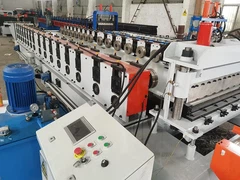
Now, we can't forget about the brains of the operation - the electrical control system. This system is responsible for coordinating all the different components of the cable tray rolling machine. It controls the speed of the uncoiler, the feeding device, the rolling mill, the cutting device, and the punching unit. It's like the conductor of an orchestra, making sure that every part plays at the right time and in harmony. With the help of modern technology, many electrical control systems are programmable. This means that operators can set different parameters for different types of cable trays, making the production process much more flexible.
Hydraulic System
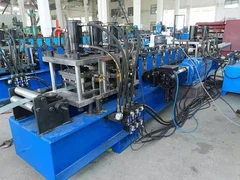
In a cable tray rolling machine, the hydraulic system also plays a vital role. It's used to provide the power needed for some of the heavy - duty operations. For example, the hydraulic system powers the pressing force in the rolling mill and the cutting force in the cutting device. It's like a muscle that gives the machine the strength to do its job. A well - designed hydraulic system can improve the efficiency and precision of the machine. It has to be properly maintained, though, because any leaks or malfunctions can cause big problems.
Support Structure
The support structure is the framework that holds all the components of the cable tray rolling machine together. It needs to be strong and stable because the machine vibrates a lot during operation. The support structure is usually made of high - strength steel. It's designed to absorb the vibrations and prevent them from affecting the accuracy of the machine. A good support structure also makes it easier to install and maintain the different components.
Safety Devices
Safety is always a top priority, so cable tray rolling machines are equipped with various safety devices. There are emergency stop buttons that can be pressed in case of an accident. There are also safety guards around the moving parts to prevent operators from getting injured. Some machines even have sensors that can detect if an operator's hand or body part is too close to a dangerous area and stop the machine automatically. These safety devices are a must - have to ensure a safe working environment.
As a supplier of Cable Tray Machine, I understand how important it is to have a well - designed and reliable cable tray rolling machine. Each of these components plays a crucial part in the overall performance of the machine. Whether you're a small - scale manufacturer or a large industrial plant, having the right cable tray rolling machine can make a huge difference in your production efficiency and the quality of your products.
If you're in the market for a cable tray rolling machine or want to learn more about our products, feel free to reach out. We're here to answer all your questions, offer product demos, and help you find the perfect machine for your needs. Let's have a chat and see how we can boost your cable tray production!
References
- Industry knowledge and experience in cable tray rolling machine manufacturing.
- Technical manuals and specifications of cable tray rolling machines.