
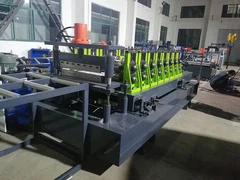
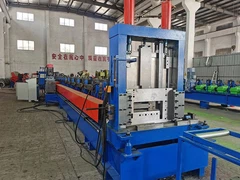
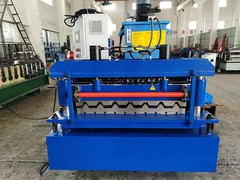
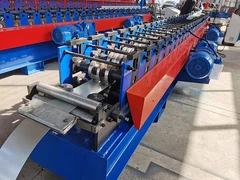
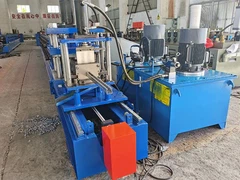
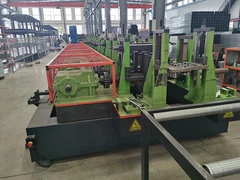
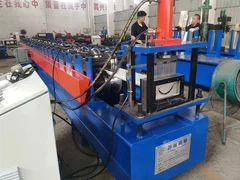
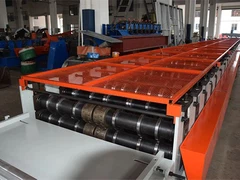
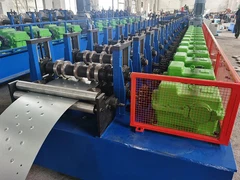
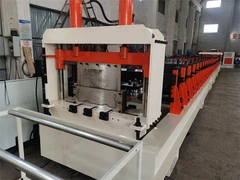

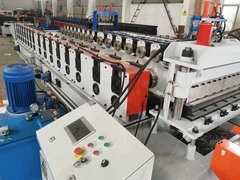
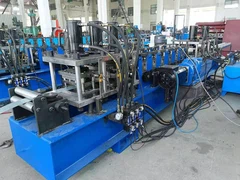

In roofing material production, the double-layer tile machine, as the core equipment for achieving double-layer fabric composite molding, directly affects product quality and production line efficiency. Since the equipment involves the coordinated operation of multiple systems such as roller pressing, transmission, and temperature control, scientifically setting and strictly adhering to the maintenance cycle is the fundamental guarantee for extending service life and reducing downtime.
Daily maintenance is the "first line of defense" for maintaining the basic condition of the equipment and should be performed after each production shift. Key points include cleaning dust and residue from the surface of the forming rollers to prevent impurities from embedding in the roller surface and affecting the tile forming accuracy; checking the hydraulic oil level and temperature to ensure the pressure is stable within the rated range; observing the tightness of each transmission chain and applying high-temperature grease in a timely manner to prevent jamming. This stage of maintenance is time-efficient and simple to operate, yet it effectively prevents small problems from accumulating into major malfunctions.
Weekly maintenance should focus on a systematic inspection of key components and is recommended to be carried out at a fixed time each week (such as during weekend downtime). The main tasks include calibrating the parallelism and gap of the upper and lower roller groups, with the error controlled within 0.1mm to prevent wavy edges or misalignment between layers in the tile body; checking the vibration and temperature of the motor bearings, and immediately investigating lubrication or load abnormalities if they exceed the threshold; cleaning dust from the electrical control cabinet and checking for loose wiring terminals to avoid signal interference caused by poor contact. Weekly maintenance must be performed by experienced technicians, using tools such as dial indicators and infrared thermometers for measurement when necessary.
Monthly maintenance focuses on in-depth maintenance and performance verification and should be scheduled monthly in conjunction with the production plan. This involves disassembling some protective covers to check the wear of the gears in the reducer; replacing the lubricating oil promptly if pitting or scuffing is found on the gear teeth; testing the response speed and control accuracy of the servo motor; calibrating the pressure and speed linkage parameters in the PLC program; and conducting sealing tests on pneumatic components (such as cylinders and solenoid valves) to prevent air leakage that could cause lag. In addition, it is necessary to collect data on equipment uptime and fault records for the month, analyze wear trends, and provide a basis for adjusting the maintenance frequency in the future.
Quarterly and annual maintenance fall under the category of "preventive overhaul." Quarterly maintenance requires a comprehensive inspection of structural indicators such as frame rigidity and roller coaxiality, and retightening of anchor bolts to eliminate displacement caused by long-term vibration. Annual maintenance requires replacing hydraulic system filters and coolant in the cooling system, and conducting a no-load test run of the entire machine to verify the stability of each system under continuous load.
It is important to emphasize that the maintenance cycle is not an absolute standard and should be dynamically adjusted based on equipment usage intensity (e.g., average daily operating time), raw material characteristics (e.g., highly corrosive coatings), and environmental conditions (e.g., humidity, dust concentration). Establishing a dual-track management model of "usage log + status monitoring" is essential to ensure that the double-layer tile machine always maintains optimal operating conditions, providing reliable support for the continuous output of high-quality tiles from the production line.