
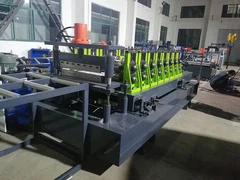
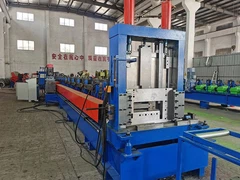
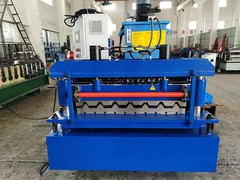
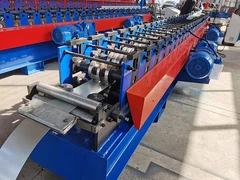
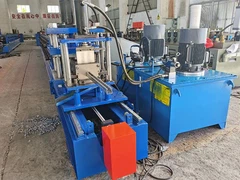
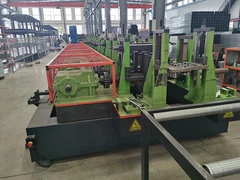
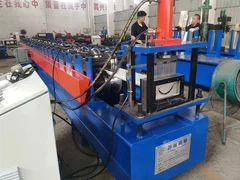
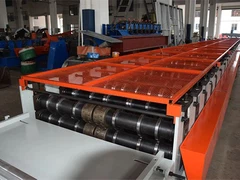
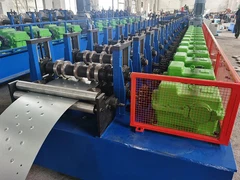
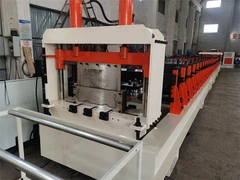

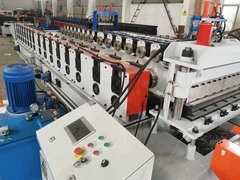
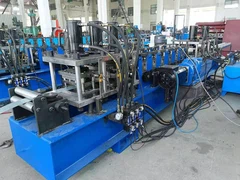

In roofing material production, the double-layer tile machine plays a crucial role in the composite molding of double-layer fabric. Its operational quality directly affects the dimensional accuracy of the tiles, the interlayer bonding strength, and the operational safety of the production line. Because the equipment involves the interconnection of multiple systems such as roller pressing, transmission, and temperature control, a scientific operating procedure and strict safety regulations must be followed to achieve efficient and stable output.
Pre-start preparation is the foundation for ensuring a smooth start-up. Operators should first check whether the power, hydraulic, and air supply are normal, and confirm that the voltage fluctuation range is within the equipment's rated value. Then, check the cleanliness of the forming rollers, transmission chain, and guide device, removing residual materials and foreign objects to prevent scratching the raw materials or causing jamming during operation. Simultaneously, verify the raw material specifications, including thickness, width, and material type, to ensure they are within the equipment's compatibility range, and check that the roll core is securely fixed to prevent feeding deviation. Perform a quick grease replenishment at the lubrication points and verify that the emergency stop button and safety guard are in good working order before proceeding with the start-up procedure.

The startup and commissioning phases must follow a gradual approach. First, run each transmission mechanism at low speed in manual mode to observe whether the rollers rotate smoothly and without abnormal noise. Then, gradually increase the speed to idle speed to check the synchronicity of feeding, forming, and cutting stations. Use the human-machine interface to input the corresponding tile type parameters, calibrate the upper and lower roller gap and forming angle, and test the tile thickness, length, and interlayer adhesion through the first trial production. Fine-tune the pressure and speed settings as necessary until the product meets quality standards. During commissioning, it is strictly forbidden to put hands or tools into the moving parts area, and a safe distance must be maintained from the rollers.
The key to monitoring during normal operation is to continuously monitor process parameters and equipment status. Operators should regularly check the hydraulic oil temperature, air pressure stability, and motor load. If abnormal fluctuations are found, stop the machine immediately for troubleshooting. Closely observe the surface quality of the tiles; if wrinkles, delamination, or uneven edges appear, adjust the feeding tension or roller pressure immediately. Simultaneously, maintain accurate production records, including output, raw material batches, and changes in process parameters, for traceability and analysis. When changing raw material rolls or adjusting specifications, the machine should be slowed down and stopped in advance. Material feeding and alignment should be completed according to procedures. Operation during high-speed operation is strictly prohibited.
Shutting down and finishing work are equally important. After the production task is completed, first stop feeding and safely unload the remaining rolls. Then, idle at low speed to clear any residual material from the forming area; shut down all power units and disconnect the power, air, and hydraulic power sources in sequence; clean the rollers, cutters, and guide rails, add grease as required, and check and record the wear of vulnerable parts. Regularly assess the equipment's condition to provide a basis for subsequent maintenance and operational optimization.
In general, the operation of double-layer tile machines emphasizes thorough preparation, meticulous debugging, close monitoring, and standardized finishing procedures. Only by transforming process standards into stable habits can high-quality composite tile products be continuously output while ensuring personnel safety, laying a solid foundation for the efficient operation of the roofing material production line.