
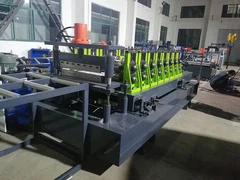
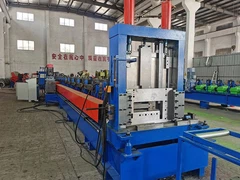
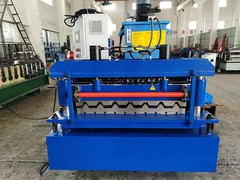
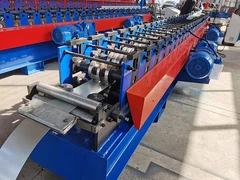
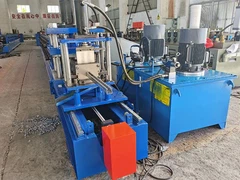
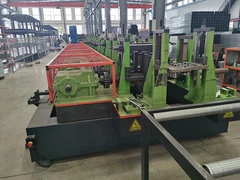
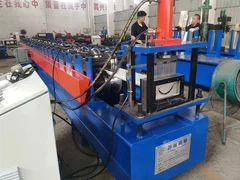
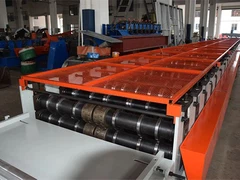
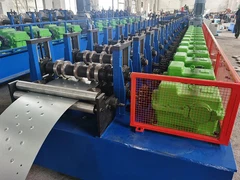
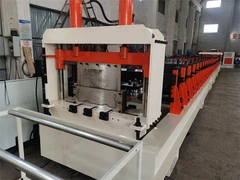

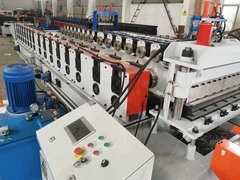
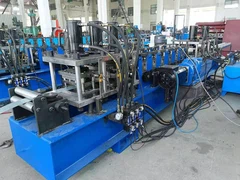

As core equipment for transforming raw materials into products of specific shapes and properties, molding machines have applications spanning numerous industrial sectors, deeply embedded in the entire chain from basic material processing to end-product manufacturing. With their diverse process adaptability and flexible technical forms, molding machines have become indispensable cornerstone equipment in modern manufacturing, playing an irreplaceable role in various fields.
In the metal processing field, molding machines bear the heavy responsibility of everything from billet preparation to precision component forming. Whether it's sheet metal stamping and stretching, profile bending and straightening, or forging and die-casting complex structural parts, molding machines achieve plastic flow and dense forming of metal materials through precise control of pressure, temperature, and displacement. They are widely used in the manufacturing processes of automotive chassis, aerospace structural components, and hardware tools, providing process assurance for high-strength, high-reliability metal products.
In the processing of plastics and polymer materials, molding machines are the core support for large-scale production. Injection molding machines efficiently manufacture thin-walled precision parts and complex multi-cavity products, covering fields such as electronic appliance housings, medical device components, and daily consumer goods. Extrusion molding machines, through continuous plasticizing extrusion, produce pipes, sheets, profiles, and films, serving industries such as building materials, packaging, and new energy battery separators. Hot press molding machines and compression molding machines play a crucial role in the processing of composite materials and rubber products, such as the preparation of wind turbine blade substrates, automobile tires, and seals.
The molding of non-metallic minerals and ceramic materials also relies on specialized equipment. Dry pressing machines and isostatic pressing machines can compress ceramic powders and refractory materials into shapes, which, after sintering, form high-hardness, high-temperature resistant devices used in fields such as electronic substrates, industrial kiln furniture, and wear-resistant parts. Concrete precast component molding machines, through vibration and pressure processes, produce building piles, sheets, and irregularly shaped components, supporting the industrialized construction of infrastructure projects.
The food and pharmaceutical industries have special requirements for hygiene, precision, and process safety, where molding machines also demonstrate unique value. Food forming machines can perform dough pressing, candy pouring, and meat paste molding, meeting the requirements of standardized production and flavor preservation. Pharmaceutical forming machines are used for tablet compression, capsule shell molding, and the manufacturing of medical polymer consumables, ensuring accurate dosage and aseptic compliance.
Furthermore, forming machines are continuously expanding their application boundaries in emerging fields such as new energy and environmentally friendly material processing. For example, lithium battery electrode roll forming machines ensure electrode density and conductivity, photovoltaic module encapsulation molding equipment improves lamination accuracy and weather resistance, and biodegradable material forming machines facilitate the development of green products.
In summary, the application scope of forming machines continues to expand with the advancement of materials science and manufacturing technology. Their cross-industry and multi-category adaptability not only supports the efficient upgrading of traditional industries but also becomes a key tool for emerging industries to overcome technological bottlenecks, playing a fundamental role in the high-quality development of manufacturing.