
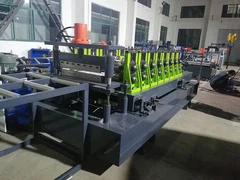
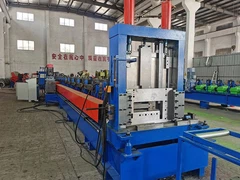
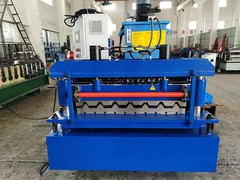
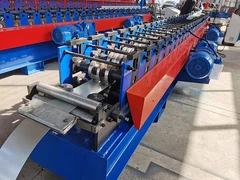
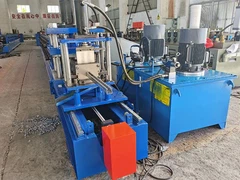
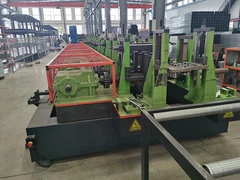
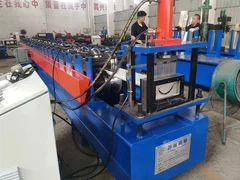
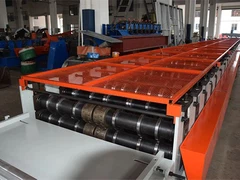
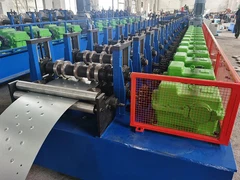
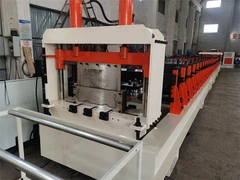

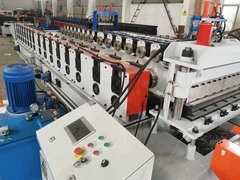
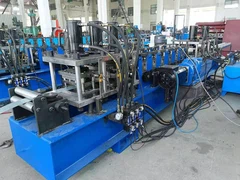

As key equipment for material shaping and product manufacturing, molding machines have developed several distinctive features during technological advancements, maintaining their irreplaceable position in numerous manufacturing fields. These features are primarily reflected in high-efficiency production, precise controllability, diverse processes, and strong adaptability, providing stable and reliable molding solutions for different materials and product forms.
High-efficiency production is a significant advantage of molding machines. Most models can achieve continuous or cyclical operation, and with automated loading, unloading, and part removal devices, the molding cycle for a single part is significantly shortened, increasing production capacity. For example, injection molding machines can maintain high-speed injection and rapid cooling in mass production, while extrusion molding machines can continuously produce long profiles to meet the needs of large-scale industrialization. High efficiency is not only reflected in speed but also in improved raw material utilization, reducing waste and secondary processing.
Precision controllability is the core of molding machine quality assurance. Modern molding machines are generally equipped with high-precision temperature control systems, closed-loop pressure control, and position feedback devices. These systems allow for precise setting and real-time adjustment of key parameters such as temperature, pressure, time, and speed, ensuring the dimensional accuracy, shape consistency, and internal quality of the finished products. This controllability is particularly crucial for processing thin-walled, microstructured, or complex geometries to meet the high standards of fields such as electronics, medical devices, and optical components.
Diverse processes and wide adaptability are another characteristic of molding machines. Depending on the materials being processed (plastics, rubber, metals, ceramics, composites) and product requirements, different molding methods such as injection molding, extrusion, compression molding, blow molding, and autoclave molding can be used, covering a wide range of applications from consumer goods to aerospace. The equipment can also flexibly adjust molds and process configurations to achieve flexible production of multiple varieties in small batches.
Continuously improving levels of intelligence and automation are also important features. Integrating PLC or CNC systems, human-machine interfaces, and sensor monitoring enables the molding process to be programmed, traceable, and remotely monitored. Combined with data analysis and fault diagnosis, process parameters can be optimized and human error reduced.
Furthermore, modern molding machines are continuously improving in terms of energy conservation and environmental protection, optimizing heating and cooling processes, reducing energy consumption and material waste, thus aligning with the trend of green manufacturing.
In summary, molding machines, with their comprehensive characteristics of high efficiency, precision, diverse processes, and intelligent green operation, provide solid support for modern manufacturing and continuously drive product innovation and industrial upgrading.