

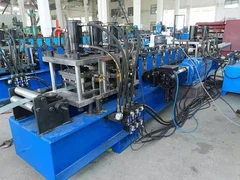

What are the spare parts of a roof tile machine?
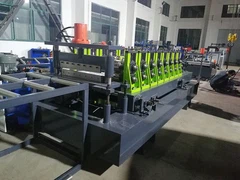
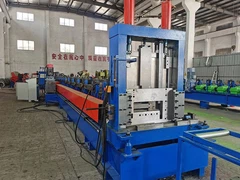
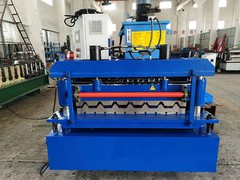
As a supplier of Roof Tile Machine, I often receive inquiries from customers about the spare parts of roof tile machines. Understanding the components and spare parts of these machines is crucial for their proper maintenance, efficient operation, and long - term performance. In this blog, I will delve into the key spare parts of a roof tile machine.
1. Cutting System Spare Parts
The cutting system is an essential part of a roof tile machine as it is responsible for cutting the formed roof tiles to the desired length.
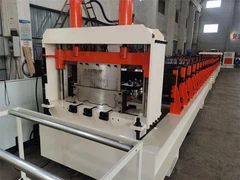
- Cutting Blades: These are the most critical components of the cutting system. Over time, the cutting blades can wear out due to the repeated action of cutting through metal or other materials. High - quality cutting blades are usually made from hardened steel. They need to be regularly inspected for signs of dullness or damage. When the blades lose their sharpness, the cutting quality will deteriorate, resulting in rough edges on the roof tiles. Replacing the cutting blades in a timely manner can ensure that the machine continues to produce roof tiles with precise cuts.
- Cutting Cylinders: The cutting cylinders provide the force required to drive the cutting blades through the material. They are hydraulic or pneumatic components. A faulty cutting cylinder can cause issues such as uneven cutting or failure to cut at all. Proper lubrication and regular checks for leaks or damage are necessary to keep the cutting cylinders in good working condition. If a cylinder malfunctions, it may need to be repaired or replaced to avoid production disruptions.
2. Forming Rollers
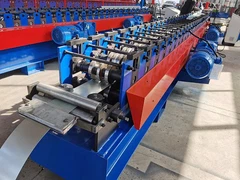
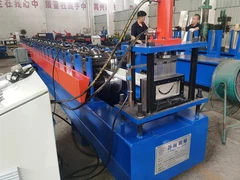
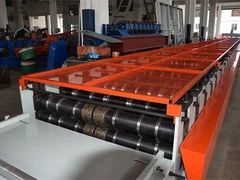
Forming rollers are the heart of a roof tile machine. They are responsible for shaping the raw material into the desired roof tile profile.
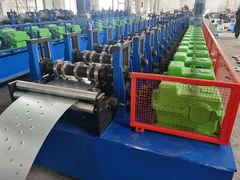
- Multiple - Stage Rollers: Most roof tile machines have a series of rollers arranged in multiple stages. Each stage further shapes the material until the final roof tile profile is achieved. The rollers are precisely machined to ensure a uniform and accurate shape. Over time, the surface of the rollers can become worn or damaged due to friction with the material. Minor wear can be addressed through re - machining, but in cases of severe damage, the rollers may need to be replaced.
- Roller Bearings: Roller bearings support the forming rollers and allow them to rotate smoothly. They are subjected to high loads and rotational forces. Failure of the roller bearings can lead to increased friction, misalignment of the rollers, and poor - quality roof tile production. Regular lubrication and inspection of the roller bearings are essential. If the bearings show signs of excessive wear, such as noise or vibration during operation, they should be replaced immediately.
3. Electrical System Components
The electrical system of a roof tile machine controls its various functions and ensures its smooth operation.
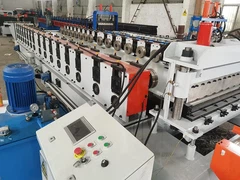
- Motors: Electric motors power different parts of the machine, such as the forming rollers, the cutting system, and the conveyor belts. Over - heating, electrical shorts, or mechanical failures can cause motor problems. Regular maintenance, including checking the motor's insulation, ventilation, and belt tension, can prevent motor breakdowns. If a motor fails, it should be replaced with a compatible one to restore the machine's functionality.
- PLC (Programmable Logic Controller): The PLC is the brain of the roof tile machine. It controls the sequence of operations, the speed of the machine, and the cutting length. If the PLC malfunctions, the entire machine may stop working or produce incorrect roof tile sizes. Although PLCs are generally reliable, they can be affected by electrical surges or software glitches. In case of a problem, it may be necessary to reprogram the PLC or replace it if the hardware is damaged.
- Sensors: Sensors are used in the roof tile machine to detect the position of the material, the speed of the rollers, and other parameters. For example, photo - sensors can be used to determine when to activate the cutting system. Faulty sensors can lead to inaccurate cutting, misaligned tiles, or other production errors. Regular calibration and inspection of the sensors are required to ensure their proper functioning.
4. Conveyor System Spare Parts
The conveyor system is responsible for moving the raw material into the machine and transporting the finished roof tiles out.
- Conveyor Belts: Conveyor belts are subject to wear and tear due to the constant movement of materials. They can become stretched, torn, or develop holes over time. A damaged conveyor belt can cause the material to misfeed or the finished tiles to be misaligned. Regular inspection of the conveyor belt's tension, alignment, and surface condition is essential. If the belt is damaged, it should be replaced to ensure the smooth flow of materials through the machine.
- Conveyor Rollers: The conveyor rollers support the conveyor belt and help it move smoothly. They can also wear out due to friction and the weight of the materials. Worn - out conveyor rollers can cause the belt to slip or misalign. Lubricating the conveyor rollers and checking for any signs of damage or excessive play can prevent these issues. If necessary, the conveyor rollers should be replaced.
5. Hydraulic System Components (if applicable)
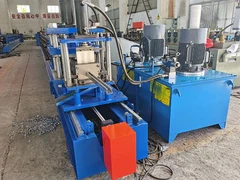
Some roof tile machines use hydraulic systems to provide the force for certain operations, such as the cutting system or the adjustment of the forming rollers.
- Hydraulic Pumps: Hydraulic pumps are responsible for generating the hydraulic pressure. They can fail due to issues such as clogged filters, worn - out seals, or mechanical damage. A malfunctioning hydraulic pump can lead to insufficient pressure, resulting in poor - quality cuts or difficulty in adjusting the machine. Regular maintenance of the hydraulic pump, including changing the hydraulic oil and filters, is necessary to keep it in good working condition.
- Hydraulic Cylinders: As mentioned earlier, hydraulic cylinders are used to provide the force for cutting and other operations. They are prone to leaks, which can be caused by damaged seals or worn - out pistons. Leaking hydraulic cylinders can lead to a loss of pressure and affect the machine's performance. Regular inspection for leaks and replacement of damaged seals can prevent these problems.
6. Double - layer Roof Sheet Machine Specific Spare Parts
If you are using a Double - layer Roof Sheet Machine, there are some additional spare parts to consider.
- Layer Switching Mechanism: This mechanism allows the machine to switch between producing two different types of roof sheets. The components of the layer - switching mechanism, such as gears, levers, and actuators, need to be regularly maintained. Any misalignment or wear in these components can cause problems during the layer - switching process, resulting in production delays or incorrect product output.
- Adjustable Forming Tools: Double - layer machines often have adjustable forming tools to accommodate different profiles for each layer. These tools need to be precisely adjusted and maintained. Worn - out or misaligned adjustable forming tools can lead to differences in the quality and dimensions of the two layers of the roof sheet.
In conclusion, having a good understanding of the spare parts of a roof tile machine is essential for its proper operation and maintenance. Regular inspection, timely replacement of worn - out parts, and proper maintenance can significantly extend the lifespan of the machine and ensure the production of high - quality roof tiles.
If you are in the market for a roof tile machine or need spare parts for your existing machine, we are here to help. Our team of experts can provide you with the right advice, high - quality products, and excellent after - sales service. Contact us for more information and to start a procurement discussion.
References


- Industry standards for roof tile machine manufacturing
- Manufacturer's manuals for various roof tile machines
- Technical literature on metal forming and cutting processes